


Understanding the psychological triggers that keep gamblers returning to the table
Understanding the psychological triggers that keep gamblers returning to the table
The Allure of Unpredictability
The thrill of gambling often stems from its unpredictable nature, which taps into a deep-seated psychological need for excitement. When players engage in games of chance, each spin or card drawn is an opportunity for an unexpected reward. This unpredictability activates the brain’s reward system, releasing neurotransmitters like dopamine, which enhances feelings of pleasure and excitement. The anticipation of a win can be intoxicating, making players eager to return for more of that rush. For instance, many users enjoy trying their luck and exploring platforms like casino real money online to experience this thrill in a safe environment.

This psychological aspect is known as the “variable ratio reinforcement schedule,” where rewards come at unpredictable intervals. This method has been shown to be incredibly effective in maintaining engagement. In essence, players are motivated to continue playing, hoping that the next game will yield a significant payout, thus reinforcing the cycle of gambling behavior. Over time, this unpredictable nature becomes a compelling reason for gamblers to keep returning to the table.
Moreover, the thrill derived from risking something of value in pursuit of a greater reward is a fundamental aspect of human psychology. Many gamblers experience an adrenaline rush akin to that of taking risks in other areas of life, which can be both exhilarating and addictive. This intense emotional experience is a key factor that draws individuals back into gambling, further deepening their psychological ties to the activity.
The Role of Social Interaction
Another significant psychological trigger in gambling is the social element associated with casino environments, whether physical or virtual. Many gamblers thrive on the social interactions that occur around the gaming tables. The camaraderie and shared excitement create a sense of belonging, making the experience more enjoyable and compelling. This social aspect can become a powerful motivator, prompting players to return frequently to recreate those shared moments of thrill.
Additionally, social validation plays a crucial role. When players win, they often share their successes with friends, both in person and through social media platforms, which can amplify the feelings of achievement. This need for social acknowledgment drives many gamblers to return, as they seek to replicate the shared joy and excitement. The more they engage in these interactions, the deeper their attachment to the gambling environment becomes.
Furthermore, online platforms have enhanced the social aspects of gambling by offering chat functions, leaderboards, and social sharing features. These tools not only facilitate interactions but also foster competition, pushing players to engage more actively. As gamblers experience both personal victories and communal celebrations, the psychological ties to gambling grow stronger, encouraging repeated visits to gaming tables or platforms.
The Illusion of Control
One of the most insidious psychological triggers in gambling is the illusion of control. Many players believe they can influence the outcome of games based on their skills or strategies, even in games that are purely chance-based. This misconception can lead to an increased sense of confidence, encouraging players to gamble more frequently in the hope that they can turn the odds in their favor. Such beliefs are often reinforced by occasional wins that players attribute to their skills rather than luck.
This illusion is particularly prevalent in skill-based games such as poker or blackjack, where strategy plays a role in the game’s outcome. As players become more familiar with these games, they may overestimate their control over the results. This psychological phenomenon can become a double-edged sword, as it often leads to increased gambling behavior, sometimes resulting in compulsive gambling issues. Players continuously chase the thrill of manipulating outcomes, drawing them back to the tables.
Moreover, the reinforcement of this belief can be perpetuated by gaming operators who market certain games as skill-based, further embedding the notion of control in the player’s mind. This can lead to a cycle of hope and frustration, where players continually return to the tables to reclaim their perceived ability to influence outcomes. The strong psychological pull of this illusion plays a significant role in gambling addiction, making it an important factor to understand.
The Psychological Impact of Losses
Interestingly, the emotional fallout from losses can also serve as a trigger that keeps gamblers returning. The concept of “loss chasing” describes the tendency of individuals to continue gambling in an effort to recover losses. This psychological response is often fueled by a belief that a win is just around the corner, which can result in a compulsion to keep playing despite adverse outcomes. This desire to offset losses can intensify the gambling experience, compelling players to return to the table.
Furthermore, losses often evoke feelings of frustration and disappointment, which can paradoxically lead to increased gambling as players attempt to reclaim what they have lost. The idea that one can “turn their luck around” is an enticing belief that traps many gamblers in a continuous cycle of play. This emotional rollercoaster can reinforce gambling behavior, making it difficult for individuals to recognize when they should stop.
The psychological impact of losses often creates a chasm of urgency, where players feel they must act quickly to recover. This sense of urgency can overshadow rational decision-making, driving individuals deeper into their gambling habits. By understanding this dynamic, it becomes evident why many gamblers find themselves returning to the tables, even after experiencing significant losses.
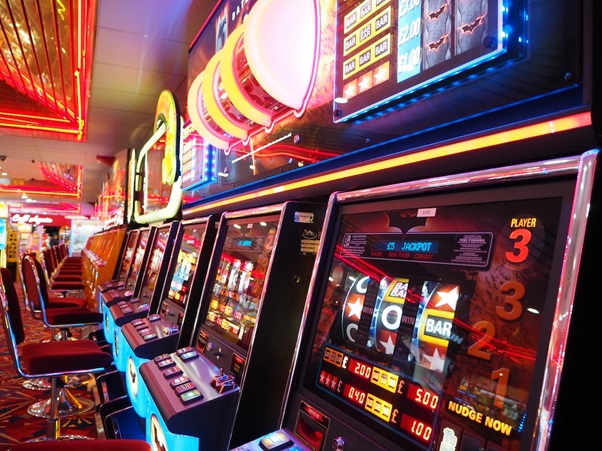
Exploring Casino Online Real Money
For those interested in experiencing the excitement of gambling without the immediate risks of financial loss, platforms like Casino Online Real Money present an engaging alternative. This dynamic mobile application captures the essence of traditional casino games, such as slots, and allows users to engage in gameplay without the pressure of real money. The environment encourages social interaction, making it an inviting space for both new and seasoned players.
The platform’s features offer a variety of games and challenges, which can simulate the thrill of a real casino experience. Users can enjoy spinning the reels and accumulating bonuses, all while connecting with friends and participating in tournaments. The vibrant themes and engaging gameplay ensure that players remain captivated, while daily rewards keep them coming back for more. It serves as a safe space for individuals to enjoy the rush of gambling without the associated risks.
In summary, understanding the psychological triggers that keep gamblers returning to the table highlights the intricate relationship between gambling behavior and the emotional experiences tied to it. The allure of unpredictability, social interactions, and the complex dynamics of wins and losses all contribute to this fascinating phenomenon. Platforms like Casino Online Real Money offer an innovative way to engage in this exciting world, allowing players to enjoy the thrill of gaming without the financial pitfalls.

Leave a Reply
You must be logged in to post a comment.